


Choosing between the Honda HR-V and CR-V
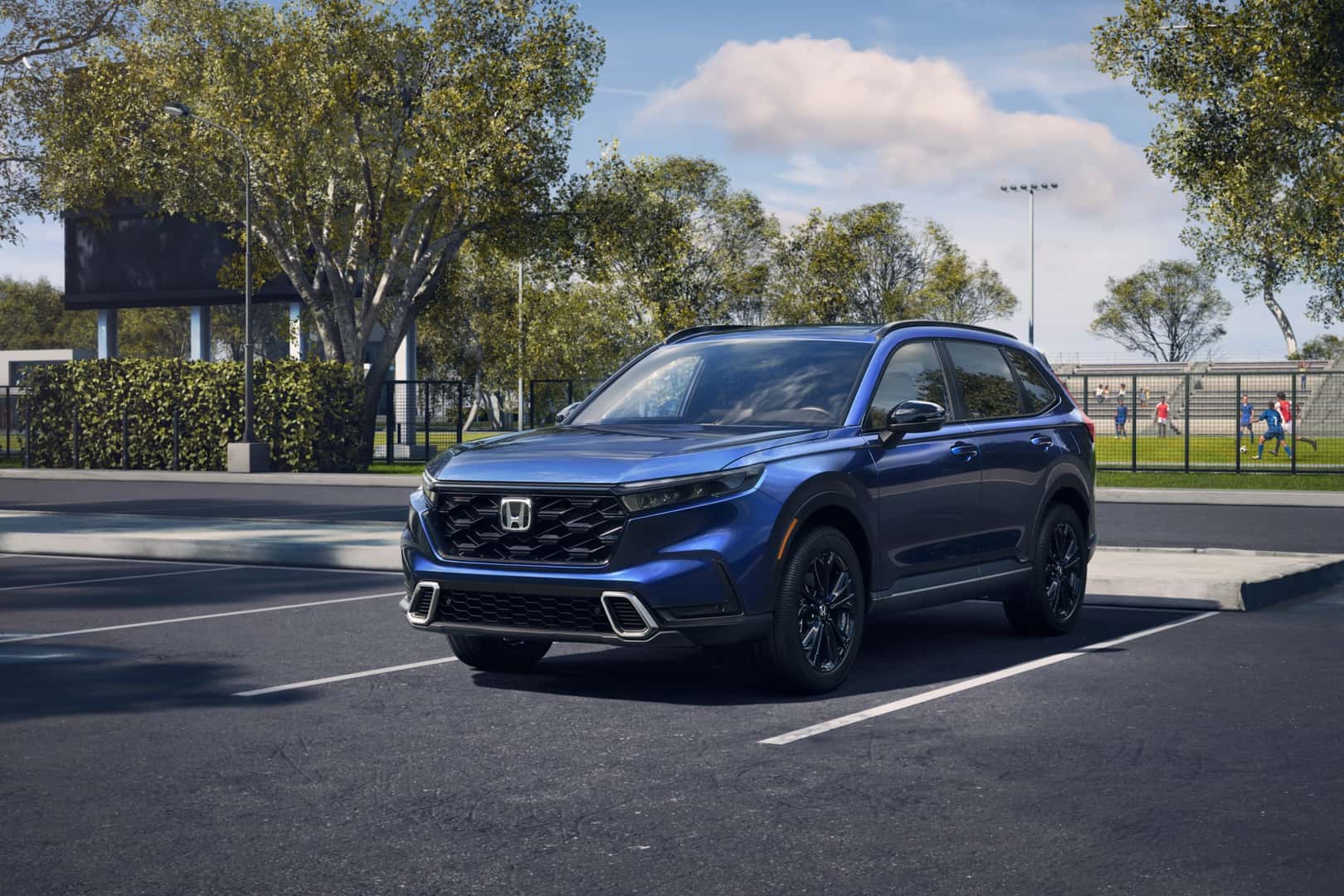
Choosing between a compact and a subcompact crossover can be challenging, and it’s even more so when the models are both Hondas. The HR-V subcompact and CR-V compact both seat five, offer cargo space behind the seats, and feature attractive exteriors and pleasant cabins with a stylish dash. There are obvious and less-than-obvious differences between the two, and Michael Hohl Honda is happy to help you sort them out.
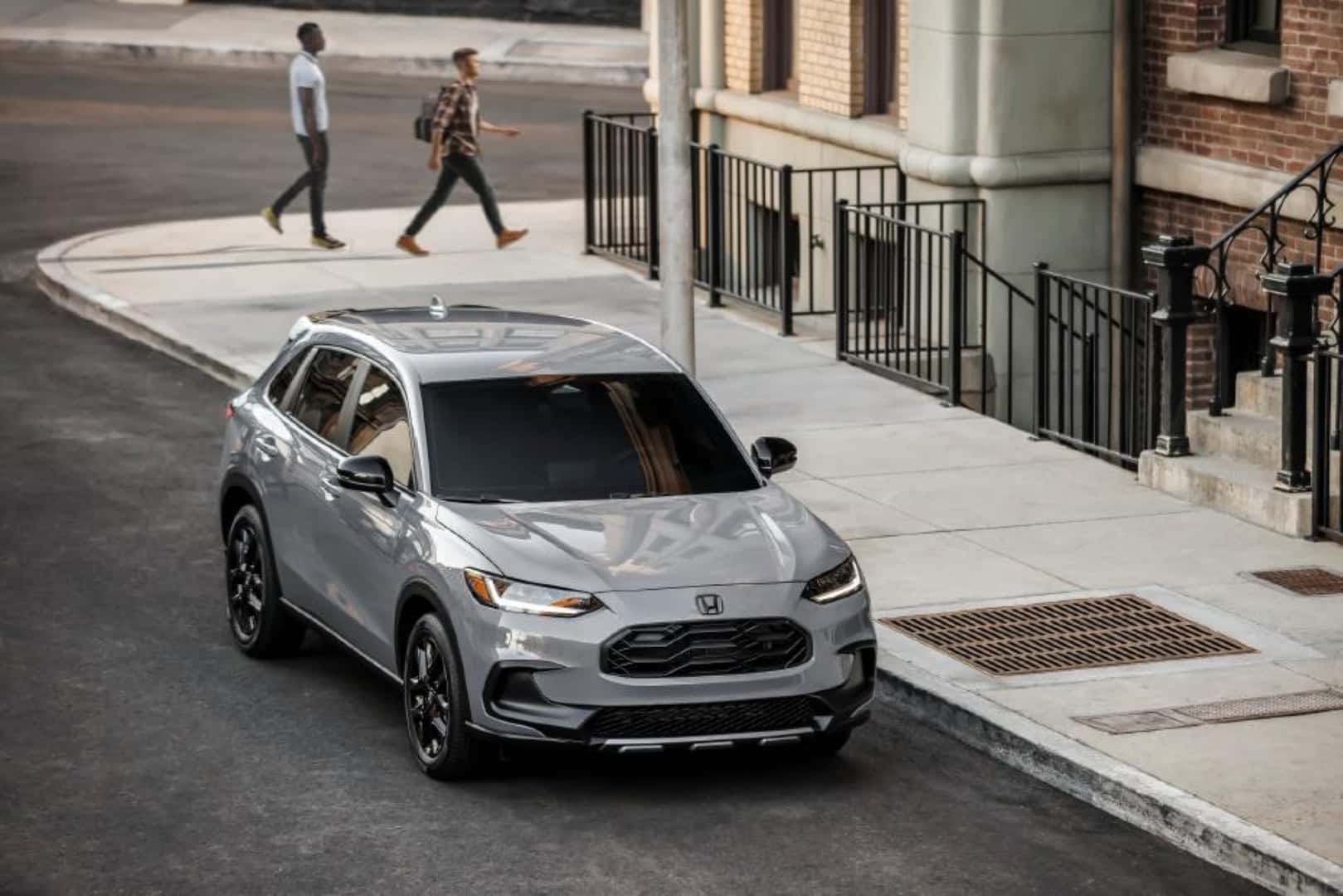
The two differences you most expect are that the 2027 Honda HR-V will have a lower starting MSRP and that the 2027 Honda CR-V is larger. This is certainly the case, as the 2027 Honda HR-V LX has a starting MSRP of $26,600*, while the 2027 Honda CR-V LX’s starting MSRP is $30,920*. That is just over the HR-V’s top EX-L trim at $30,450*. Throw in an extra $1,500 for AWD, and there is some price overlap—enough that if your budget is around $30K, you could be balancing features against size between the two models.
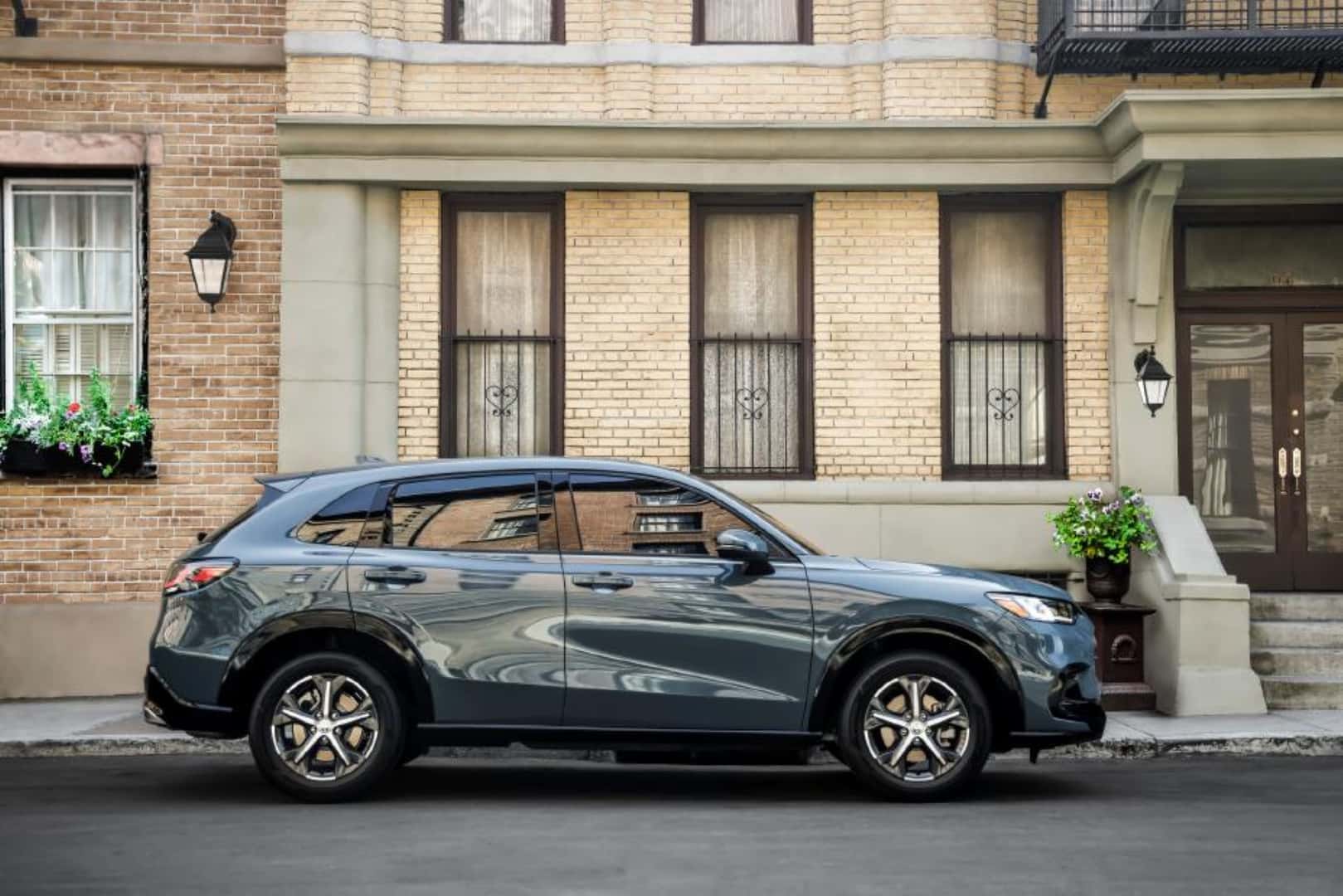
That said, the size difference is not obvious from the front seats. The CR-V does have a little more headroom, over an inch more shoulder room, and, curiously, slightly less front legroom. Overall, sitting in the front will feel about the same in each model.
The difference is most noticeable behind the front seats. The CR-V is one of the larger models in the compact crossover class, and this is where it shows. It provides 41 inches of rear legroom, which is more than enough for adults to sit comfortably. In fact, that is more than many mid-size sedans provide. It is over three inches more than the HR-V, though the HR-V’s 37.7 inches of rear legroom will accommodate adults. Rear headroom is essentially the same for both models, and shoulder room is 0.7-inch greater in the CR-V.
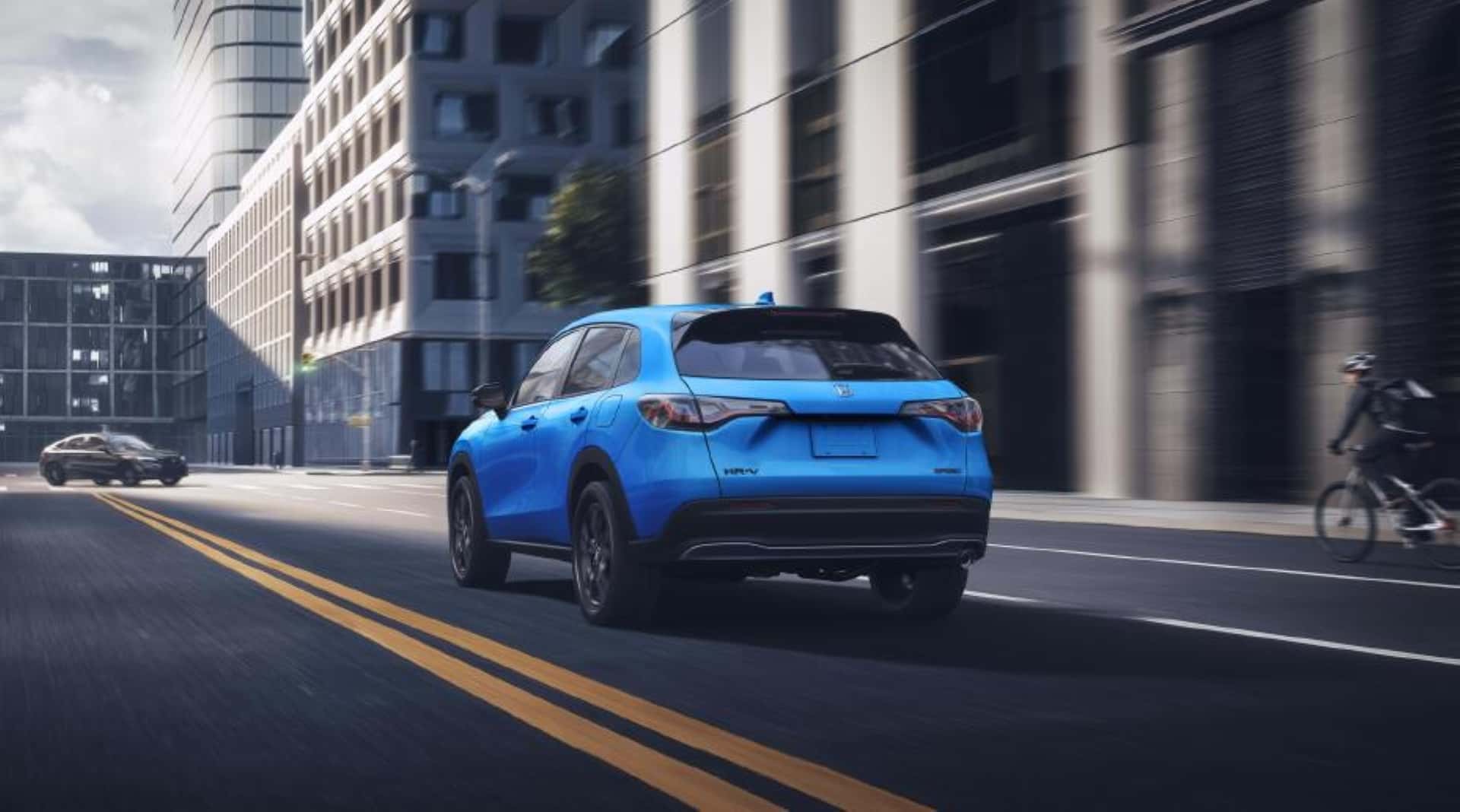
Cargo space is the other big differentiator. Behind the rear seats, the HR-V has 24.4 cubic feet, which is pretty good for the class, but the CR-V provides over 60% more with 39.3 cubic feet. Fold the seats down, and the percentage difference narrows a bit, with the HR-V offering up 38% more space (55.1 vs 76.5 cubic feet).
Compared to the HR-V’s 158-hp 2.0-liter inline-4, the CR-V runs a 190-hp turbocharged 1.5-liter inline-4. Both models pair their engines with continuously variable transmissions. The biggest surprise in this comparison may be that the CR-V actually gets slightly better fuel economy than the HR-V. With front-wheel drive, the CR-V’s EPA-estimated city/highway/combined rating is 28/33/30,** compared to 26/32/28*** for the HR-V. It isn’t a big difference, and it would take decades to make up the price difference in fuel costs, but it is unexpected. The difference remains the same with AWD, with the CR-V getting 27/31/29 mpgΔ vs. the HR-V at 25/30/27†.
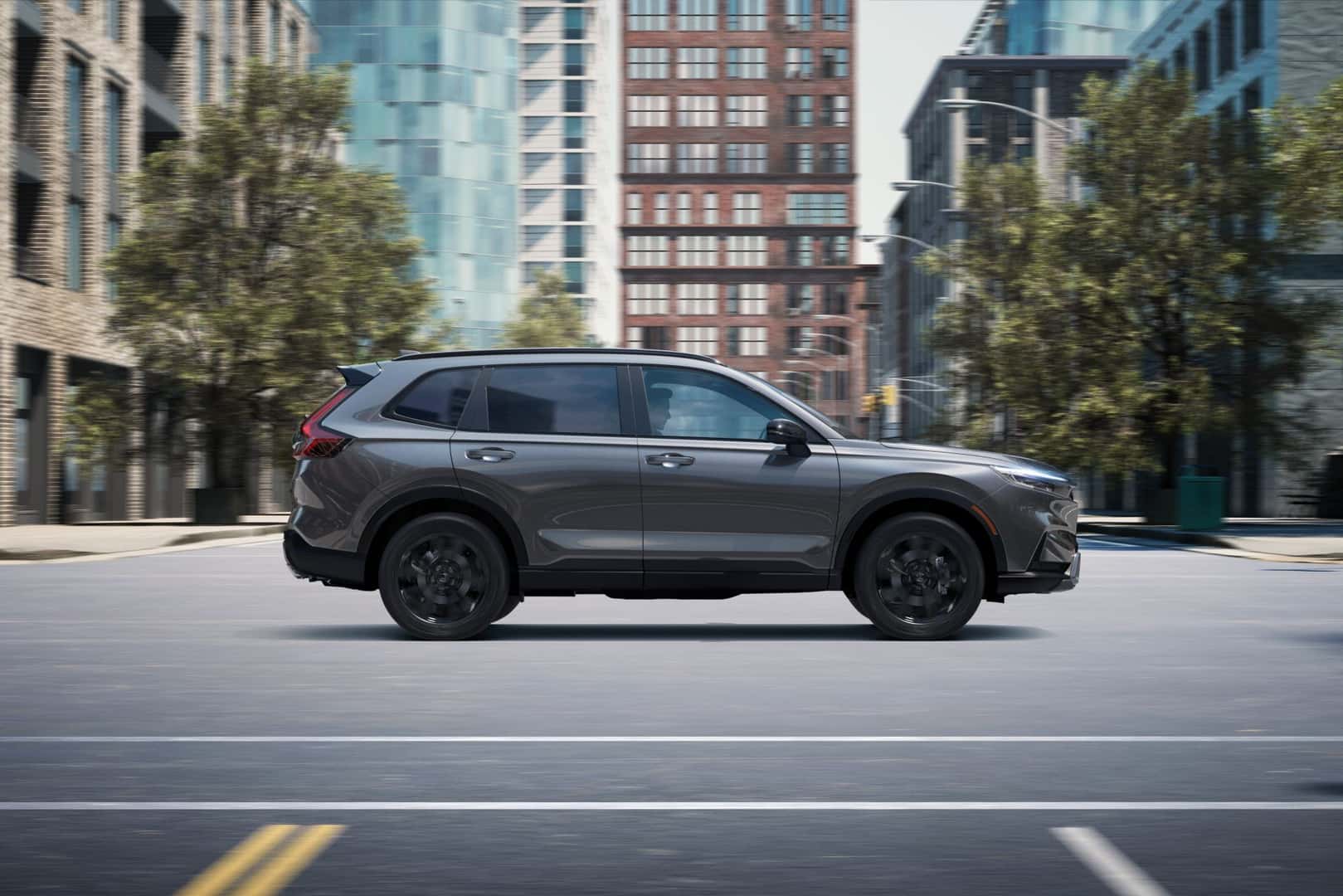
Of course, if fuel economy is a priority, it’s worth noting that only the CR-V is available as a hybrid. You are now about $9,000 over the base HR-V, but the hybrid is EPA-rated at 43/36/40 mpg with 2WDx and 40/34/37 mpg with AWDK. If most of your driving is in town, that can make a significant difference. Power on the hybrid also climbs to 204 horsepower.
Neither of these models is a go-to if you plan to tow; the CR-V has a maximum towing capacity of 1,500 pounds, the hybrid model has 1,000 pounds, and towing is not recommended for the HR-V.
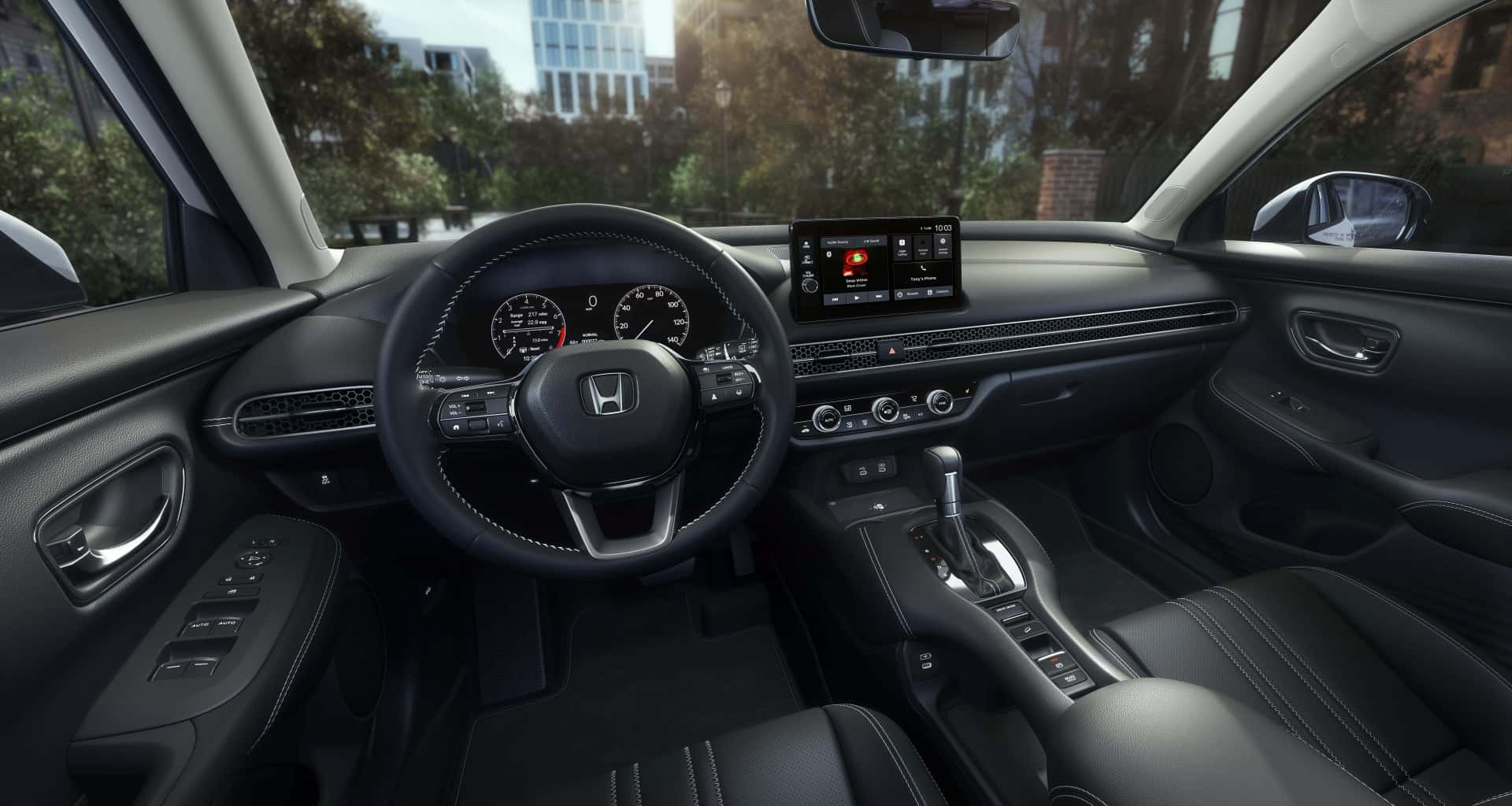
If the HR-V is large enough for you, the dash has a handsome design, with HVAC vents hidden within a dash-wide trim pattern that Honda introduced on the first HR-V. The center touchscreen has grown to 9.0 inches for 2026. It’s large enough to show everything clearly, including wireless Apple CarPlay and Android Auto, if that is your preference. Climate control is handled by buttons and knobs, which almost feels like a luxury these days. A standard wireless phone charger will also make you feel fine about not spending more. You do have to get the top EX-L trim of the three available to get an interior color other than black, and the “L” in the trim name stands for “Leather”.
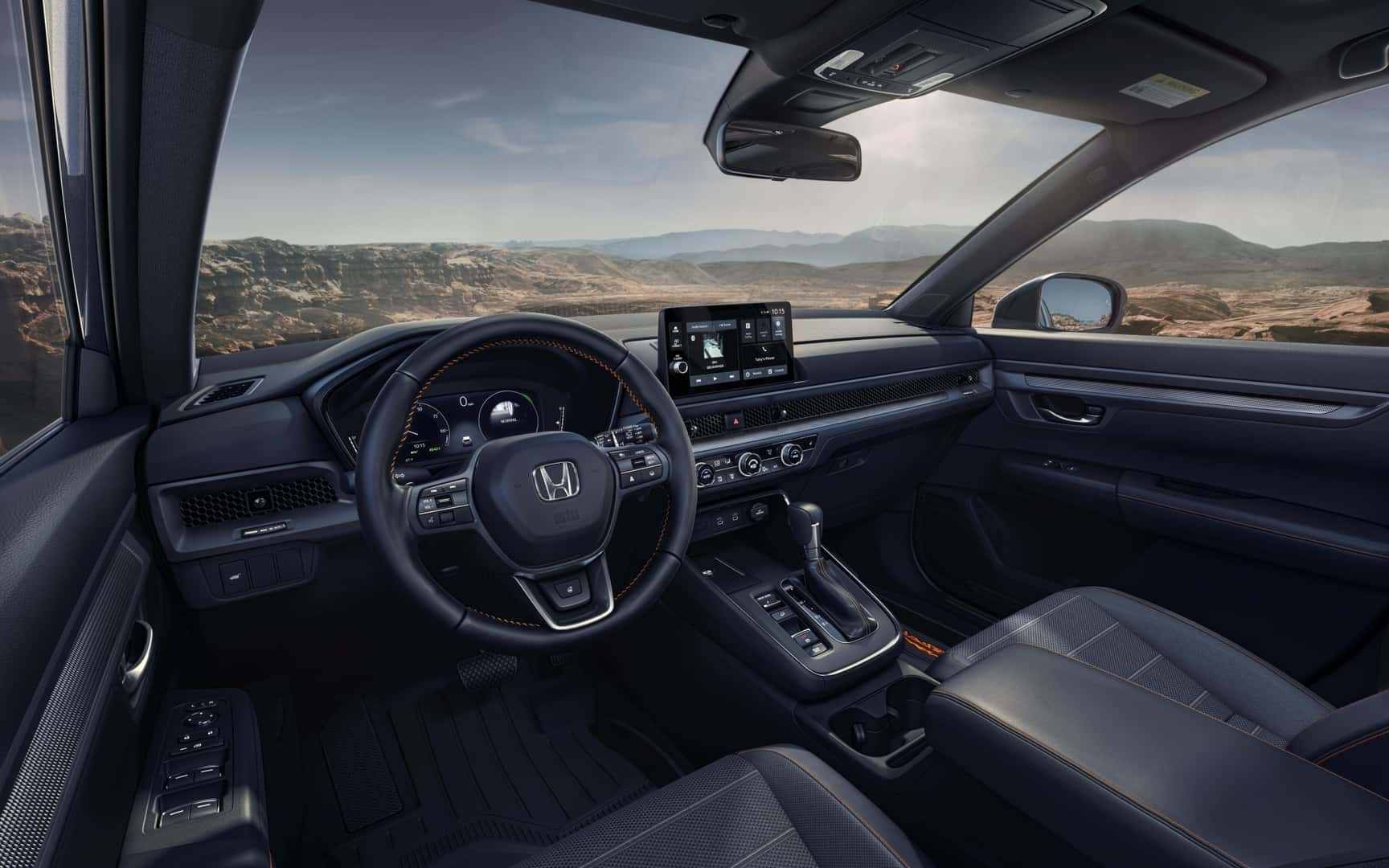
The CR-V has the same basic layout, with the same 9.0-inch screen and technology. Controls are side-by-side rather than in a single long line on the center console, but the ambiance is basically the same. Oh, and you only have to bump up one trim level to choose non-black inside.
Both models come standard with the Honda Sensing suite of safety and driver assistance technologies, which includes:
- Collision Mitigation Braking System
- Road Departure Mitigation System
- Adaptive Cruise Control with Low-Speed Follow
- Lane Keeping Assist
- Traffic Sign Recognition
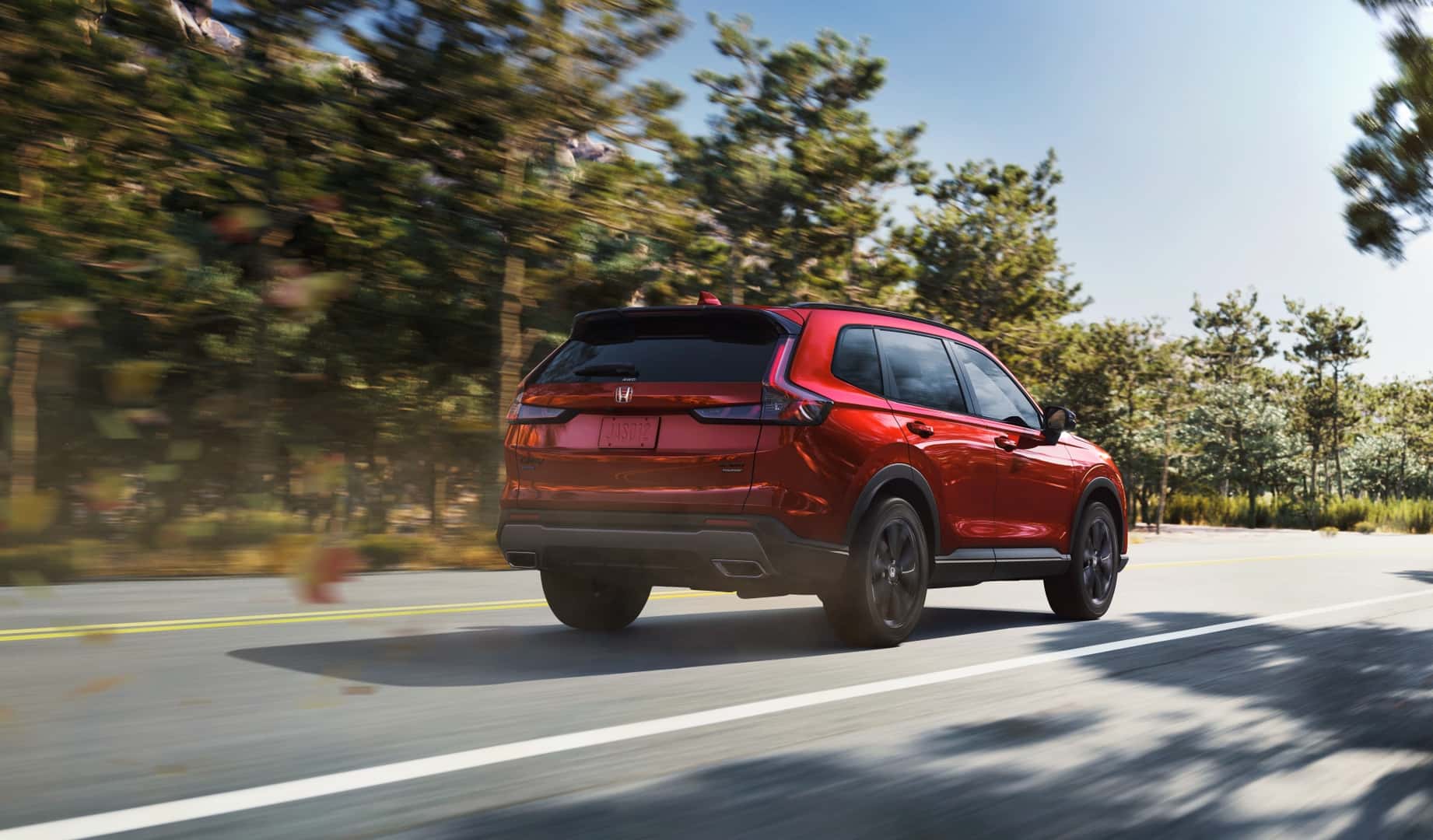
The choice clearly depends on your situation. If there are just two of you and you plan to use the rear seat for occasional guests or an eventual child or two, the HR-V could be all the vehicle you need, and you will save some money. If, on the other hand, you plan to use the rear seat for adults often and/or on long trips, the CR-V will better accommodate them and their luggage. And if you appreciate quicker acceleration or the efficiency benefits of a hybrid, the CR-V will likely be a more suitable choice for you.
If you are still not sure which model is for you and you live anywhere near the Carson City, Nevada area, we invite you to visit Michael Hohl Honda and test-drive the HR-V, CR-V, and CR-V Hybrid models.
* MSRP excluding tax, license, registration, $1,450 destination charge, and accessories. Dealer prices may vary. MSRP does not include $455 charge for premium colors.
** 28 city/33 highway/30 combined mpg rating for 2WD LX, EX & EX-L trims. Based on 2026 EPA mileage ratings. Use for comparison purposes only. Your mileage will vary depending on how you drive and maintain your vehicle, driving conditions, batter-package/condition (hybrid trims), and other factors.
*** 26 city/32 highway/28 combined mpg rating for 2WD trims. Based on 2027 EPA mileage ratings. Use for comparison purposes only. Your mileage will vary depending on how you drive and maintain your vehicle, driving conditions and other factors.
Δ 27 city/31 highway/29 combined mpg rating for AWD LX, EX & EX-L trims. Based on 2026 EPA mileage ratings. Use for comparison purposes only. Your mileage will vary depending on how you drive and maintain your vehicle, driving conditions, batter-package/condition (hybrid trims), and other factors.
† 25 city/30 highway/27 combined mpg rating for AWD trims. Based on 2027 EPA mileage ratings. Use for comparison purposes only. Your mileage will vary depending on how you drive and maintain your vehicle, driving conditions and other factors.
x 43 city/36 highway/40 combined mpg rating for the 2WD Sport & Sport-L Hybrid trims. Based on 2026 EPA mileage ratings. Use for comparison purposes only. Your mileage will vary depending on how you drive and maintain your vehicle, driving conditions, batter-package/condition (hybrid trims), and other factors.
K 40 city/34 highway/37 combined mpg rating for AWD Sport, Sport-L & Sport Touring Hybrid trims. Based on 2026 EPA mileage ratings. Use for comparison purposes only. Your mileage will vary depending on how you drive and maintain your vehicle, driving conditions, batter-package/condition (hybrid trims), and other factors.
0 comment(s) so far on Choosing between the Honda HR-V and CR-V