


Beware of Liens When You Purchase Used
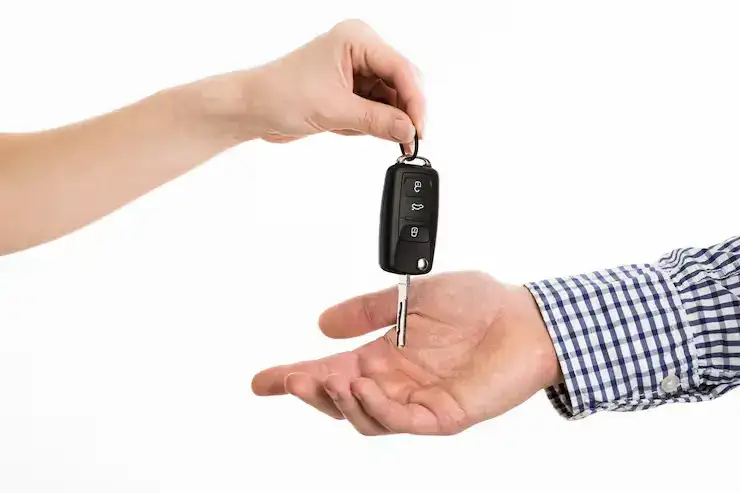
It is a situation straight out of Kafka. You purchase a used car from a private seller, and sometime after, a financial institution or possibly an auto repair shop claims that money is owed to them with your vehicle as collateral. In other words, they have a lien on your vehicle. They demand you pay what is owed, or they repossess your vehicle. And the worst part is, these are not scammers, and what they are doing is lawful. The seller, less so. Michael Hohl Honda explains what this is about and how you can avoid it.
Voluntary and Involuntary Liens
There can be voluntary and involuntary liens on a used vehicle for sale. The most common voluntary lien is a standard vehicle loan. Someone borrows money from a lender to purchase a vehicle and pays it off over time. It is also not uncommon for these vehicles to be sold before the loan has been paid off. If everything goes as planned, the lender gets their money from the sale first, and the seller keeps the rest. Because Nevada is not a lien-holding state, the lender generally keeps the title until the loan is paid off, making it difficult for the loan holder to sell the car without the lender being involved.
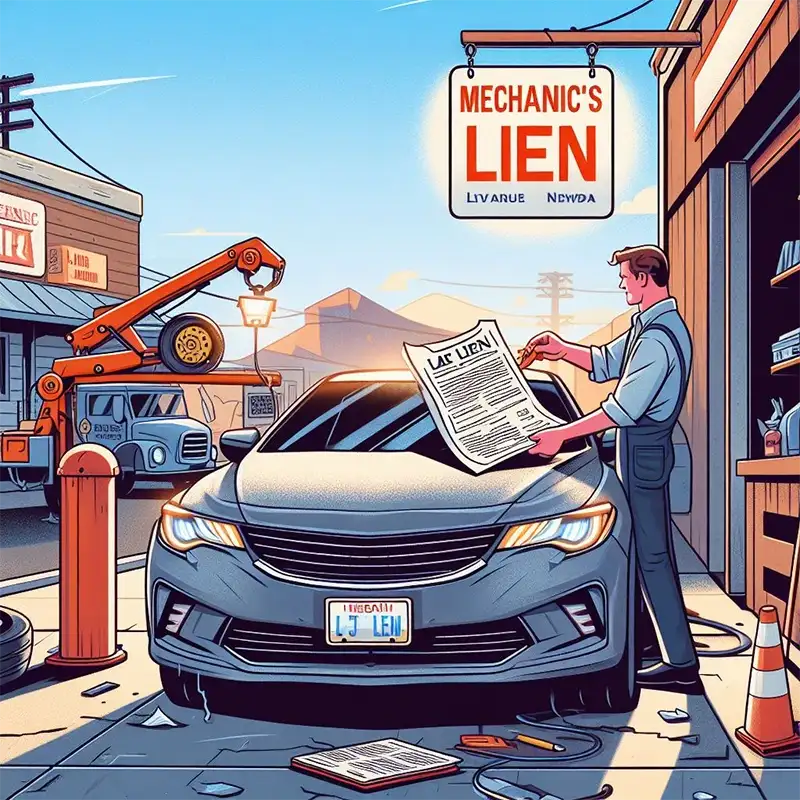
An involuntary lien can take a few forms. One is a mechanic’s lien, in which a repair shop performs costly repairs on the car and agrees to let the customer pay the bill over time. In the meantime, the shop holds a lien on the vehicle. Involuntary liens can also arise from a civil lawsuit against the vehicle owner in which the vehicle is part of the financial judgment. There is also a voluntary loan in which the vehicle owner takes out a personal loan collateralized by the vehicle. In several of these cases, the owner may still hold the title, and there will be nothing on it to indicate to the buyer that a lien is in place. In all these cases, the lien is attached to the VIN, not the person. So if you are in possession of a car with a lien on its VIN, you are legally responsible for the amount owed on that lien. Sure, you can sue the seller, but litigation is slow and costly, and the seller will likely do their best to become inaccessible.
Due Diligence in Avoiding a Vehicle with a Lien
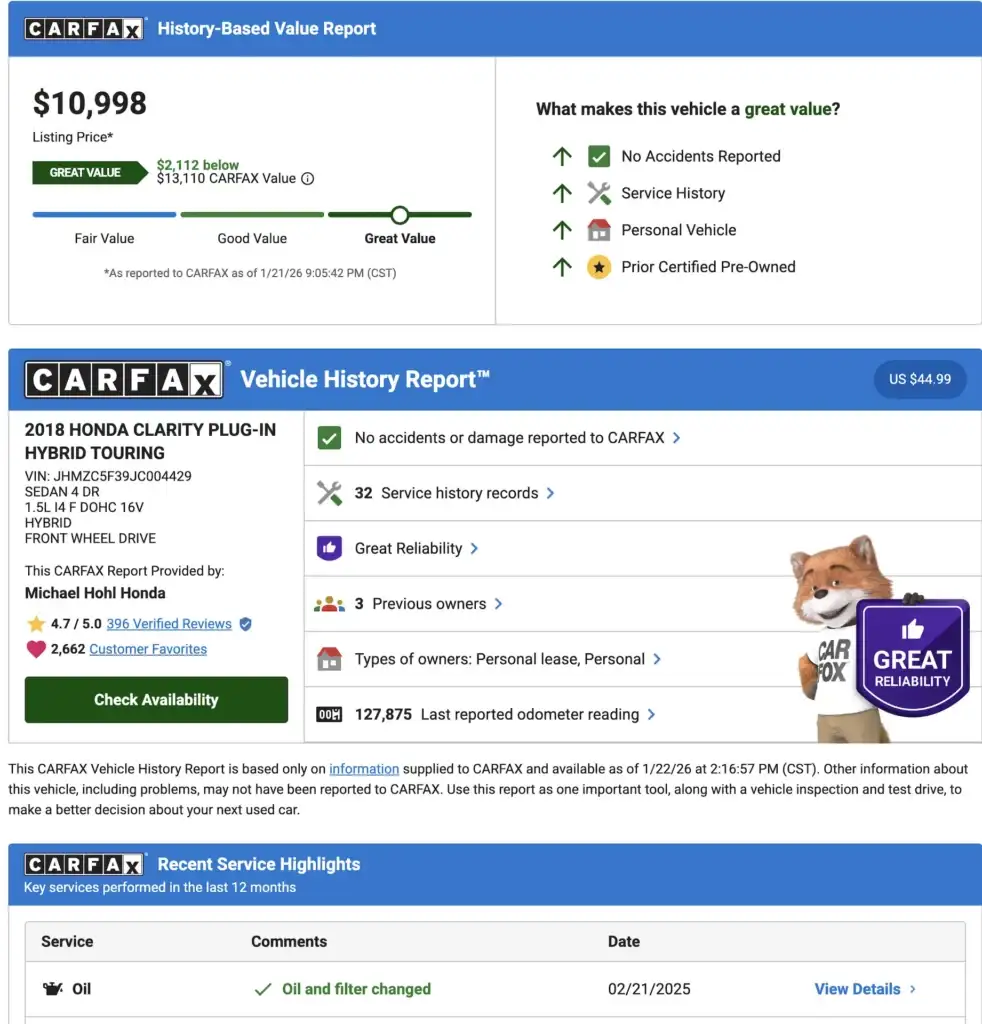
Your first step in making sure this does not happen to you is to enter the Vehicle Information Number (VIN) into the state’s DMV’s title-status portal, and/or the National Motor Vehicle Title Information System (NMVTIS) via an approved provider like VIN Lookup or iSeeCars’ VIN History Reports, and/or, a paid vehicle-history report such as Carfax or AutoCheck. Be sure to pull the VIN directly from the vehicle, rather than one the seller gives you. The best place to find a VIN is on the metal stamp at the base of the windshield. Keep in mind that free databases like NICB’s VINCheck are great for theft and salvage data, but do not always provide lien coverage.
In addition to the VIN, record the year, make, model, current odometer reading, and take a photo of the driver’s license, current registration, and, if there is a known lien, any loan payoff statement provided by the seller. If you need to contact a bank to verify the payoff, ensure you have the loan or account number and the seller’s name exactly as it appears on the loan. Missing any of these details may prevent you from clearing the lien later.
If You Discover a Lien on Your Vehicle
If you receive a lien notice, don’t dismiss it as a scam. If the lien is genuine, it’s simply a business collecting what it’s owed. Under Nevada law, anyone contesting a lien is expected to respond within seven days with facts supporting the opposition. First, verify the lien with the DMV. If it’s real, contact the lienholder’s loss prevention department, which will likely provide the exact payoff amount. Next, write to the seller demanding debt settlement or a refund of the purchase price.
If the seller refuses or vanishes, consider small-claims court or arbitration, which Nevada requires for such civil issues. Again, a civil fraud lawsuit is possible, but it could easily cost you more than the lien itself.
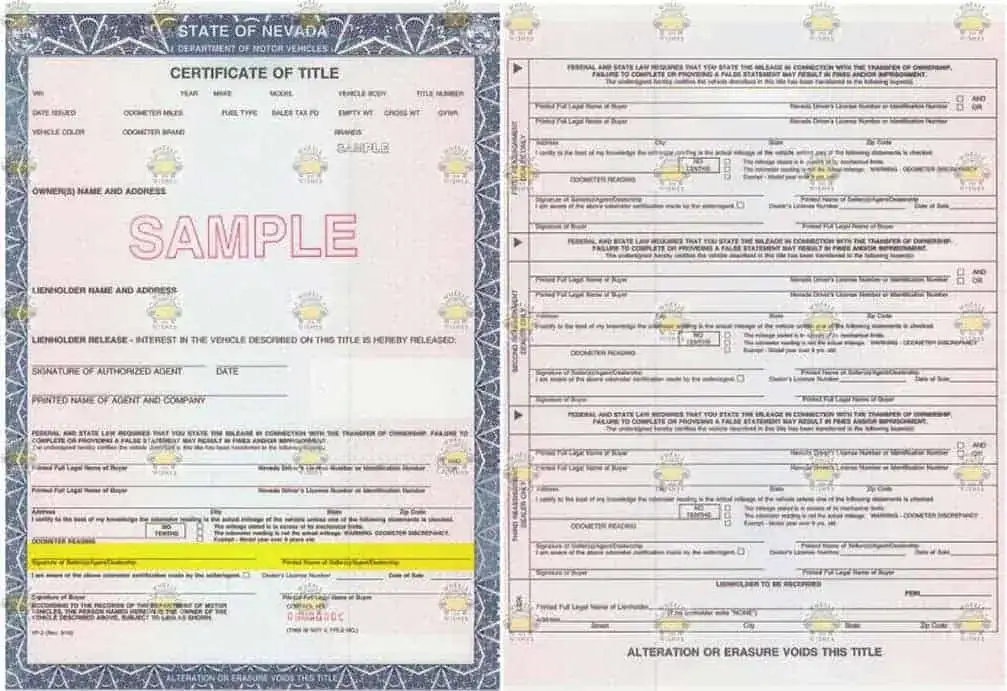
Naturally, we want to point out that a lien issue will not occur when you purchase a used vehicle from Michael Hohl Honda. We check the title and vehicle for liens on every model that enters our used vehicle inventory. After all, we don’t want to risk getting faced with an unknown lien ourselves, and selling any such vehicle will damage our reputation. All of our used vehicles also include a CarFax report you can view in advance, which can show if a vehicle’s title is free and clear.
So yes, when purchasing a used vehicle from Michael Hohl Honda, and to be fair, most new vehicle dealers, you can feel confident that your vehicle will not have a lien on it. But as usual, buyer beware when purchasing from a private seller.
0 comment(s) so far on Beware of Liens When You Purchase Used