
 Have you ever wondered how Honda consistently produces products that are perfectly suited to its target market and are leaders in their segments? Much of the credit actually goes to Honda’s extensive Research and Development network in the US. Honda’s R&D in the US celebrated its 50th year in 2025. Michael Hohl Honda joins its vehicle supplier in celebrating a half-century of impressive research and the amazing products and features that have resulted from it.
To put 50 years into perspective, 1975 was the year before they introduced the Accord. In fact, the entire company was selling just one car line, the first-generation Civic, which had been introduced in 1972.
 Honda saw great potential in the US market and opened its first R&D center in Gardena, California, in 1975 to study the needs and preferences of American consumers. To be fair, this wasn’t just about cars. Honda was already well known as a motorcycle maker before launching its first car in the US, and the Gardena facility focused on understanding both markets and developing products for each. This was quickly followed by a significant role in product styling, including the conceptual development and initial styling of the Honda CRX, a well-known compact car introduced in 1984 with an industry-leading fuel efficiency of 50 miles per gallon, long before hybrids were introduced.
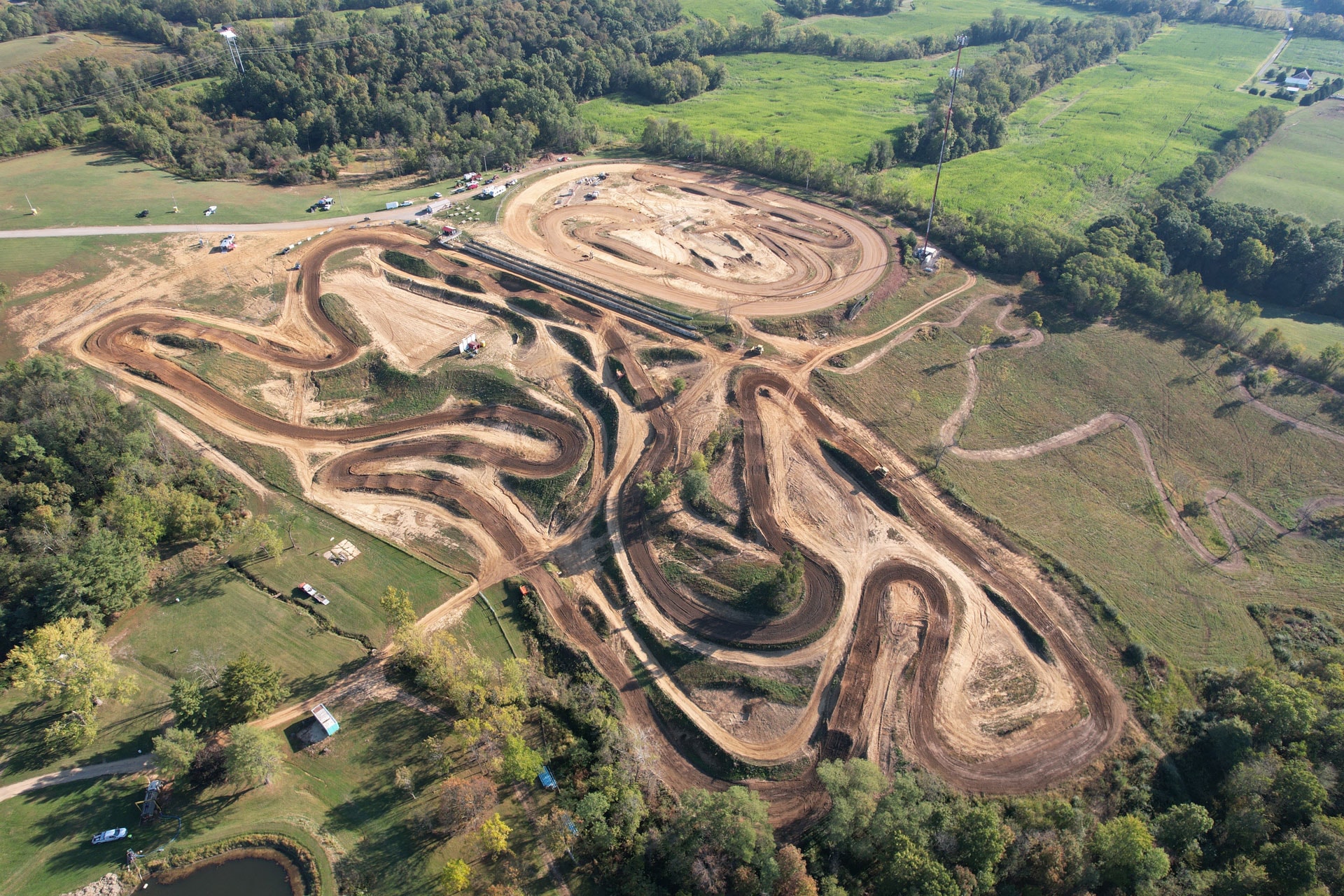
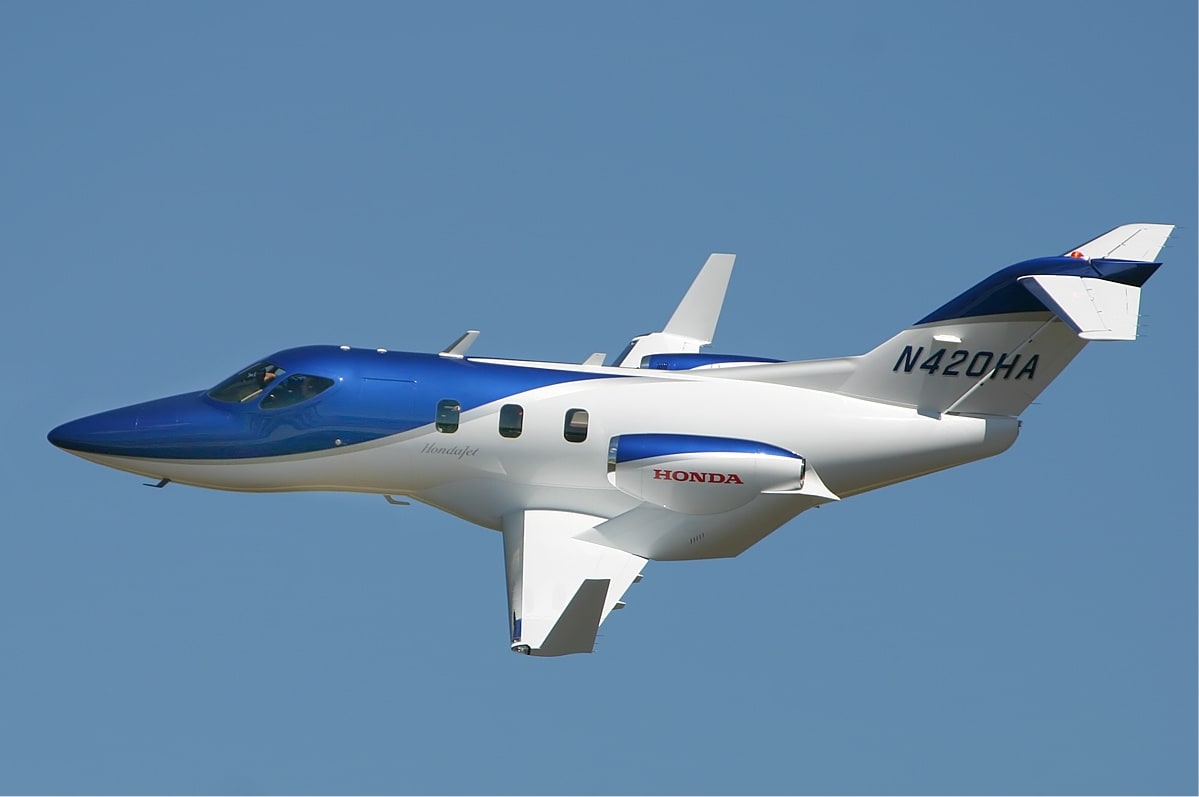
Today, Honda operates some of the world's most advanced R&D facilities in America, including 21 locations across California, Colorado, Florida, Indiana, Michigan, North Carolina, Ohio, and South Carolina. These include test tracks in California and Ohio, as well as the Aircraft facility in North Carolina. With a capital investment of over $1.45 billion, these operations have produced over 36 Honda and Acura cars and light trucks – including multiple North American Car and Truck of the Year winners – along with 87 powersports and power equipment products. Even the HondaJet, developed in the US, is the fastest, farthest, and highest-flying plane in its class.
“Fifty years ago, Honda began an incredible legacy of innovation in America by taking the bold step of establishing a research function focused on creating unique products and experiences for our customers,” said Jane Nakagawa, Vice President of the R&D Business Unit at American Honda Motor Co., Inc. “On the shoulders of the Honda researchers, designers, and engineers who came before us, we are committed to reigniting our position as an innovator and disruptor to create new value for the next generation of Honda customers in America.”
The centers can be credited with an almost endless list of products and features. To highlight an important but lesser-known one: the creation of a groundbreaking front passenger airbag design aimed at reducing the risk of severe brain injury. This innovation contributed to a Honda engineer receiving the US Government Award for Safety Engineering Excellence from the U.S. Department of Transportation.
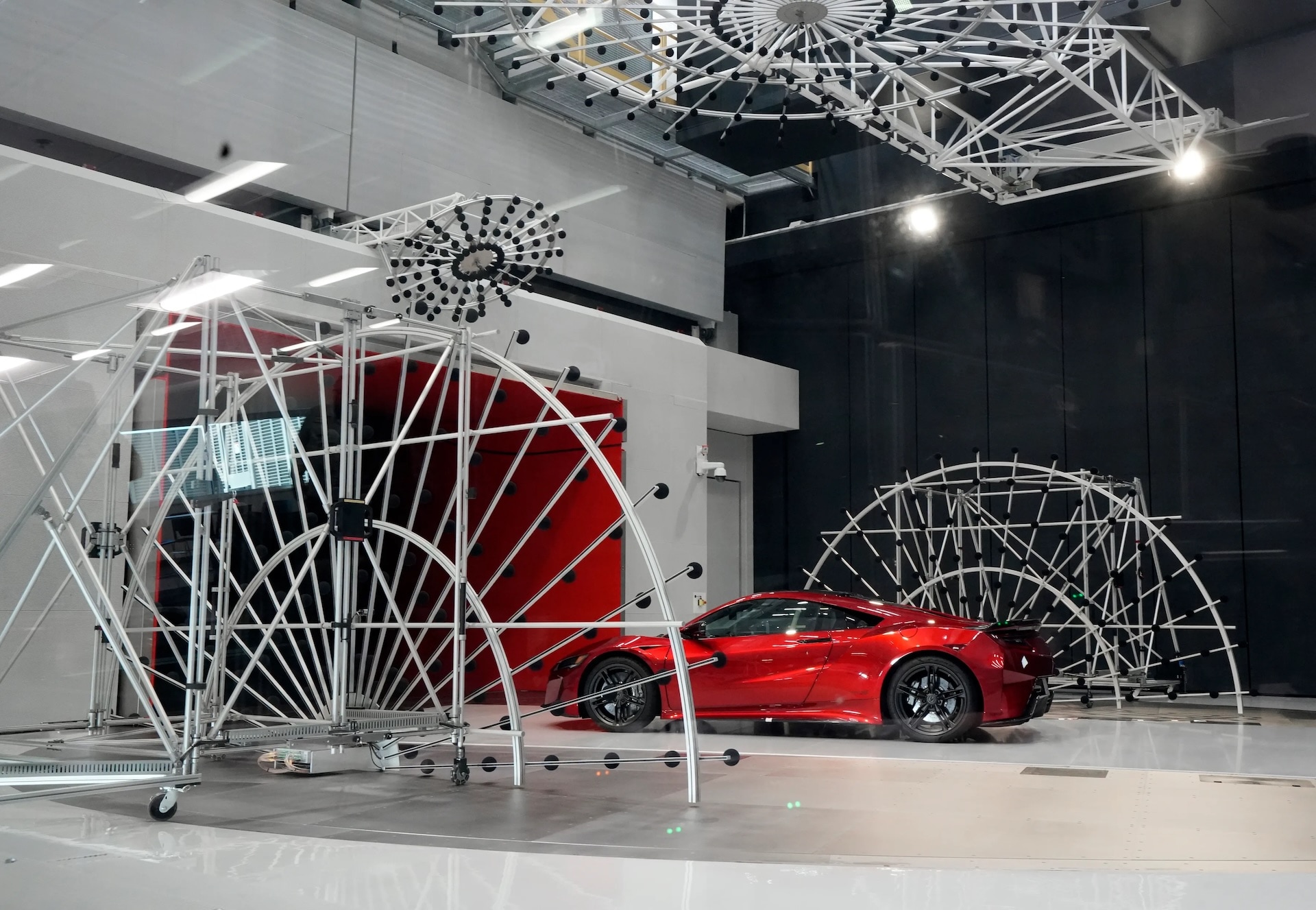
Honda’s research has yielded benefits extending beyond its internal products, encompassing developments such as wind tunnel technology for the United States Bobsled/Skeleton Team and collaborative efforts with Astrobotic Technology, Inc., to develop a scalable, integrated power solution for extended lunar surface missions. The research examines the potential integration of Honda's regenerative fuel cell (RFC) system with Astrobotic's Vertical Solar Array Technology (VSAT) and the LunaGrid service, to create a continuous power supply even during extended lunar night periods.
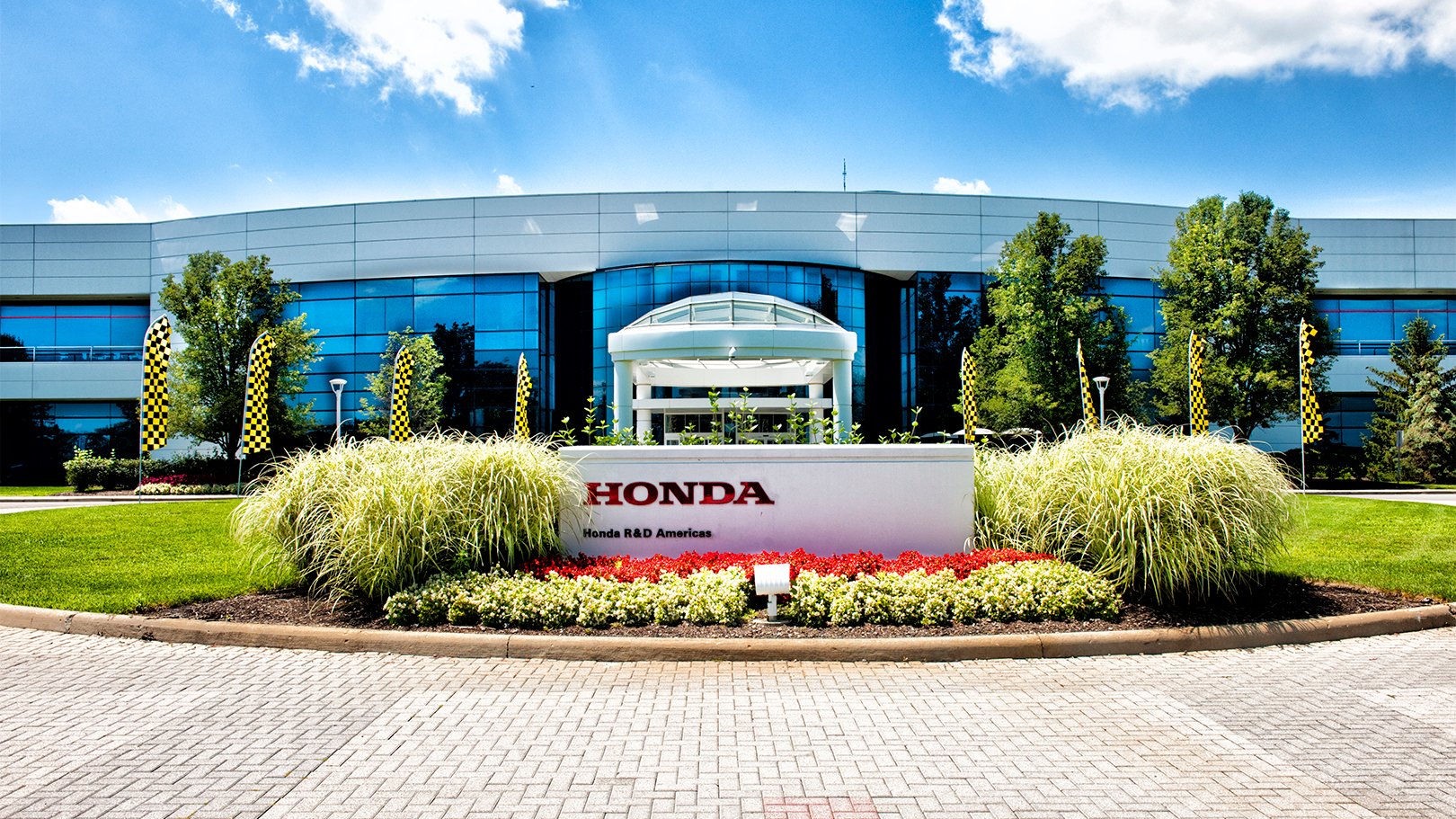
Back down to earth, Honda’s collective research facilities in Ohio have played a key role in developing vehicle crashworthiness, including the proprietary Advanced Compatibility Engineering™ (ACE™) body structure system, advanced driver-assistive systems, and other safety technologies.
We at Michael Hohl Honda have become accustomed to how well-engineered Honda vehicles are, but it couldn’t happen without their extensive research and development capabilities. Here is to another successful 50 years of Honda R&D!
