
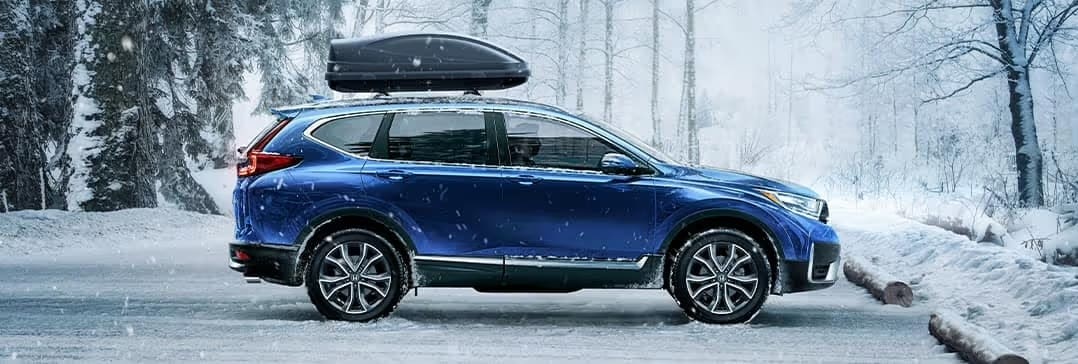
 If you have been driving long enough, you undoubtedly have memories of discovering a dead battery in your car. If that memory is accompanied by cold weather, it may seem like Murphy's Law, but in fact, it is another law altogether—the law of thermodynamics. Michael Hohl Honda explains.
A battery is simply an energy storage device. A new battery will arrive fully charged, but from that point on, the energy used to start your car is replenished by charging from the vehicle’s alternator. When you start your car, the starter system draws electricity from a chemical reaction within the lead-acid and electrolyte system that is strong enough to turn the engine over on its own. That begins the 4-cycle system, where spark plugs ignite a compressed, air-filled mixture, and the engine starts running on its own.
Cold weather slows the chemical reaction that releases electricity from the battery. This happens to all batteries, regardless of age. When the temperature is 48 degrees Fahrenheit, a healthy battery with a 100% charge will produce only about 66% of its normal power, compared to 77 degrees. At or below zero, that battery will have roughly 40% of its power. At the same time, the engine is cold, which means the oil is thicker, requiring more effort to turn the engine over—precisely when the battery's ability to do so is diminished, increasing the chance that the engine won't start.
Fortunately, the cold temperature effect is not permanent, and if the temperature rises again, your battery has not suffered any lasting damage. The irony is that the battery is more likely to suffer permanent harm from summer heat. High temperatures can cause internal battery corrosion and evaporate the electrolyte fluid your battery needs. Therefore, it is quite possible that a battery failing in the winter may have been damaged during the summer.
Signs You May Have a Weak Battery
- Slow Cranking - This issue was more apparent in the past, when cars with carburetors often required multiple attempts to achieve the initial spark of combustion. Today’s fuel-injected cars start more easily, which is good, but can give you less warning when the battery is low.
- Dim Lighting – A very weak battery will struggle to power lights to their full brightness and may also have trouble powering other accessories.
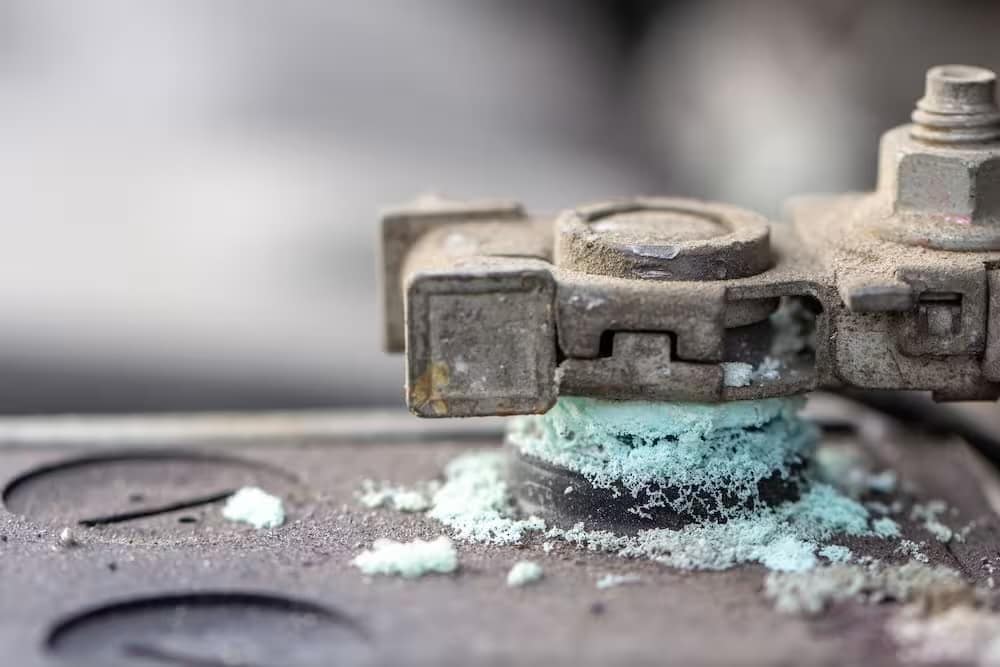
- Visible battery acid. – This will appear in the form of a white-green powdery substance near the terminals. Extreme cold that freezes the battery acid can cause the fluid body to expand, often resulting in leaks at the terminals. This is a clear sign of a weakened battery. It is worth noting that battery acid is quite flammable, so you should clean it off immediately when you notice it and replace the battery as soon as possible.
- Battery Warning Light – This dashboard light typically resembles a battery. The irony is that it is not warning of a poor battery so much as a poorly operating alternator that is not charging the battery well.
Preventing Cold-Weather Battery Failure
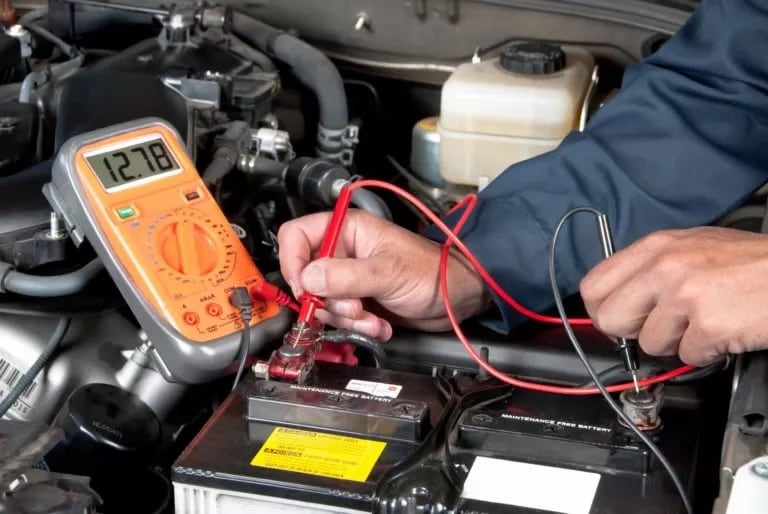
- Test the Battery Strength - The best way to prevent issues is to have the battery's strength tested before winter arrives or if you suspect a problem. The Michael Hohl service department can do this, and most auto parts stores can as well if you can disconnect the battery and bring it into the store. They can provide a recommendation on whether the battery is strong enough to last through the winter.
- Clean your battery terminals - Corroded ones can prevent proper charging and could signal a weakening battery.
- Drive for at least 30 minutes once a week – If you don’t commute with this vehicle, keep in mind that short trips can drain your battery at start and not give the alternator a chance to recharge. Try to have at least one drive or 30 minutes or so a week.
- Park in a garage – Even an unheated garage will be warmer than the outside during the winter. If a garage is available to you, it may be worth clearing out the space to give the battery a warmer place to stay overnight.
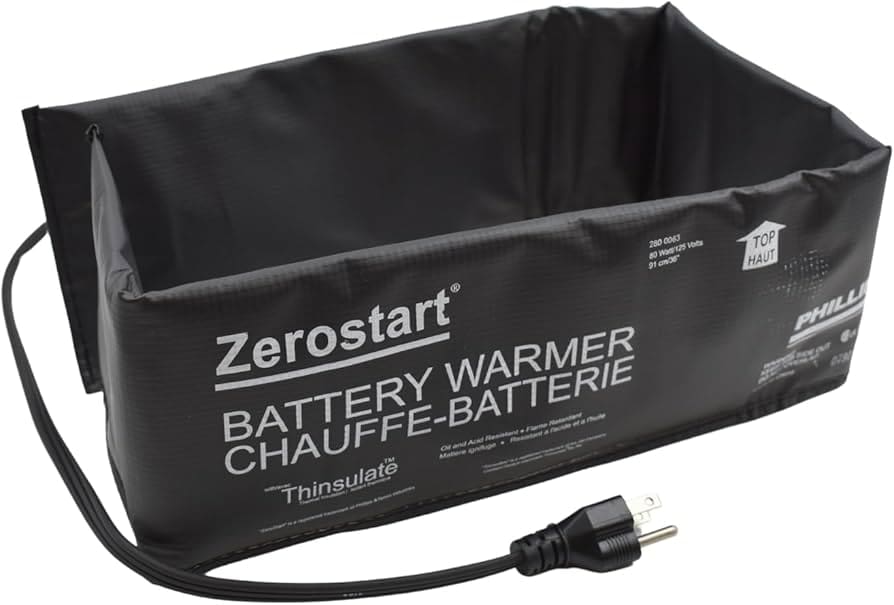
- Get a Battery Warmer – Carson City may not be quite cold enough for this, but if you plan on spending sufficient time up north, or in the mountains in the winter, a battery warmer or blanket could be a wise investment.
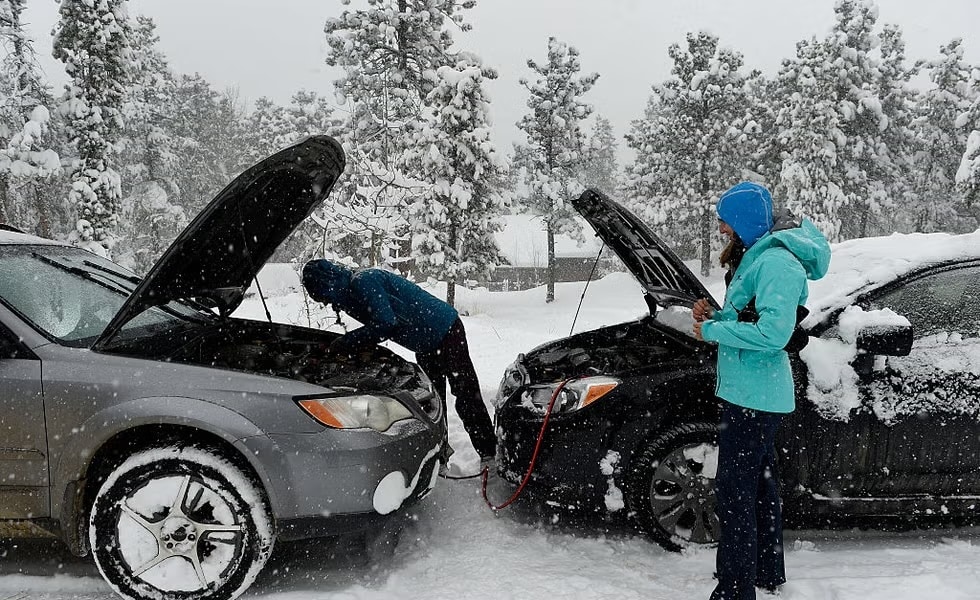 This post assumes you know how to jump-start your vehicle, but just wants to remind you of two things:
- It is easier to get someone to help you if you can show them you have your own jumper cables.
- Allow the car to run for 30 minutes after the jump to give the alternator time to recharge the battery.
Spend every winter confident that your battery will not let you down and give you another Murphy’s Law story to tell. If you have additional questions, please contact the Michael Hohl Honda service department. Consider bringing your vehicle in every fall to winterize it for the upcoming season.
